







Search Results for: Ice Removal Fee
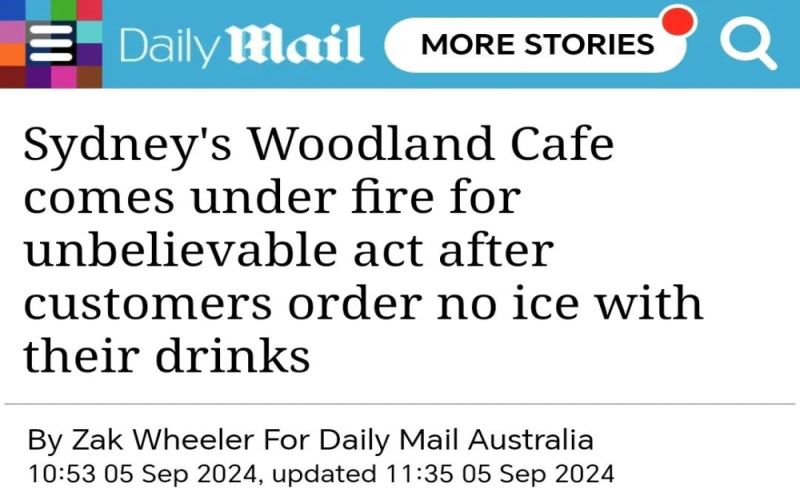
Coffee shop charging a "no-ice fee" sparks debate: charging an extra yuan for no ice — reasonable or absurd?
Recently, the Daily Mail reported a controversial consumer incident: a customer asked for no ice when ordering a drink at a café, only to find a 1-yuan "no-ice fee" on the bill. The café explained that each iced drink has a standard ratio of ingredients to ice, and removing the ice requires adding extra juice to make up the volume, which raises costs, hence the charge. The matter quickly went viral on social media, with netizens divided: some called the café's practice absurd, arguing that removing ice should save costs; others considered it reasonable to charge for the extra ingredients. Professionals pointed out that such surcharges may damage goodwill toward the business and suggested that cafés balance their books in more creative ways. [more…]
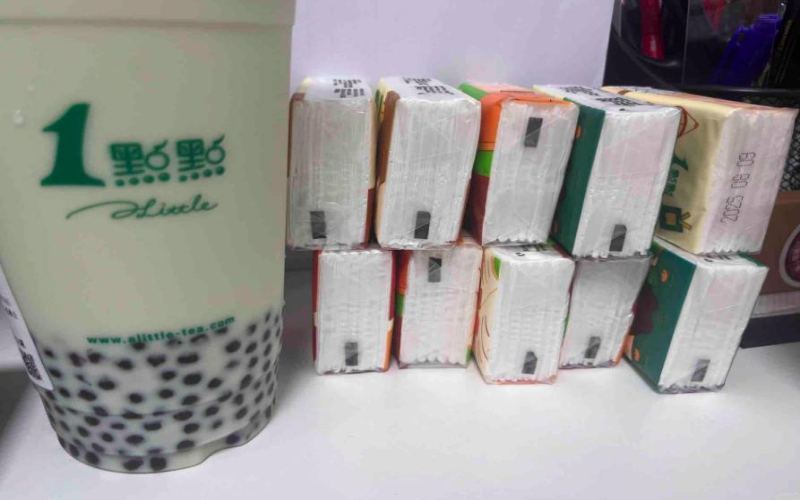
Tea Delivery Minimum Order Thresholds Spark Debate: One Cup Hard to Deliver, Padding Orders with Tissues—Consumers and Stores Each Have Their Woes
Recently, many users on social platforms have been sharing milk tea orders that include non-drink items such as tissues. This is not a brand promotion, but rather the result of consumers being forced to add extra items to meet the minimum order threshold for delivery. Many chain tea and coffee shops set their delivery minimum at 20 to 30 yuan, while a single cup of drink often costs only around ten yuan, leaving customers who just want one cup unable to place an order directly. They can only add tissues, snacks, or upgrade to a larger size to reach the required amount. Some orders also require a minimum actual payment to qualify for free delivery, further adding to the consumer's burden. Store operators say the minimum order fee and delivery rules are set uniformly by brand headquarters and the platform, and franchisees have no authority to adjust them. This discussion surrounding delivery thresholds reflects the real conflict between the demand for single-person, single-cup consumption and platform operating rules. [more…]
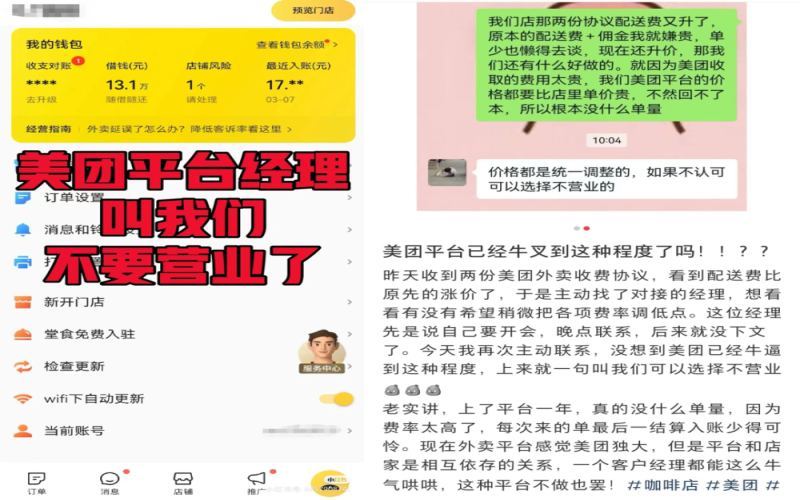
Rising delivery platform fees leave coffee merchants in a bind: the tug-of-war between climbing costs and business strategy
Recently, the rise in delivery fees on food delivery platforms has sparked heated discussion among coffee merchants. Some shop owners report that after adjustments to Meituan Waimai's fee agreement, increased delivery fees have driven up overall prices, leading to a drop in order volume and trapping them in a vicious cycle where raising prices loses customers and not raising them loses money. Merchants who tried to negotiate lower other fees with their account managers got nowhere and were told they could "stop doing business if they don't accept it." Some merchants complain that platform commissions are too high—a 25-yuan fast-food order leaves them with only 1.24 yuan, and some even end up with negative income. Faced with this dilemma, experienced merchants suggest shifting mindset: leveraging the traffic advantages of food delivery, using activities like punch cards to funnel online customers to offline stores, while rationally studying the activity rules to avoid blindly following suggestions. Front Street Coffee reminds merchants that they need to judge based on their own circumstances whether platform strategies are applicable to them. [more…]
Which brand is reliable when joining a coffee shop franchise? How much does the initial investment actually cost?
In the past year or two, the popularity of coffee entrepreneurship has continued to rise, and many office workers have begun to entertain the idea of opening a shop and becoming their own boss. A coffee shop that seems to have low barriers to entry, requires little investment, and has an artistic atmosphere has become the ideal project in many people's minds. But when they actually start, they discover that they have no idea where to begin, from site selection to promotion, so franchise chains have become a popular option. Advertisements promising "zero threshold" and "easy to be your own boss" are everywhere, but is the reality really that rosy? This article sorts out the main models of coffee franchising today, helps you calculate the upfront investment clearly, and gives the key points to note when choosing a franchise brand, in the hope of offering some reference for those who are still hesitating. [more…]
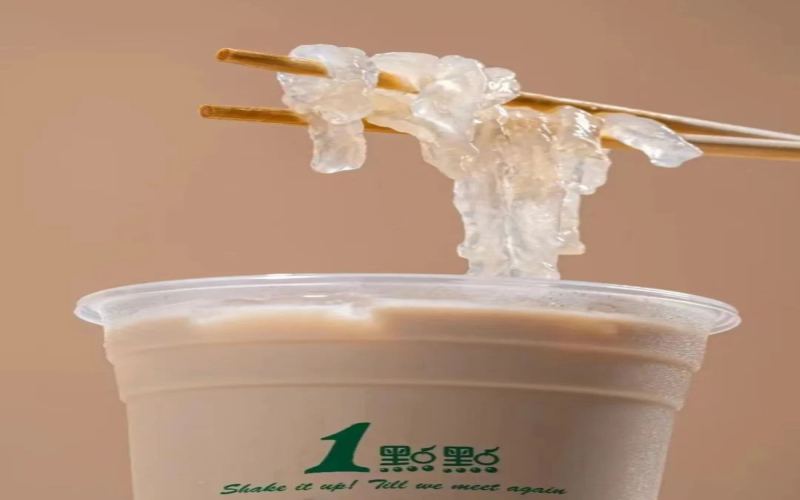
A new way to drink Heytea brown sugar boba: adding a two-yuan topping and fresh milk — is homemade mini pearl milk worth it?
Milk tea toppings are getting more and more elaborate, and some people even just want the toppings without the tea base. Recently, a "low-cost Heytea" hack has been trending on social platforms: spend 2 yuan on a portion of brown sugar boba, pair it with a bottle of fresh milk, shake it a few times, and you've got a mini version of brown sugar pearl milk. It's said that bringing your own cup saves even more—3 yuan gets you two portions of toppings. But does this DIY version actually taste good? How big is the gap compared with the original from the store? This article walks you through netizens' hands-on test experiences and ordering phrases, and takes a look at the consumer psychology behind the involution of milk tea toppings. [more…]
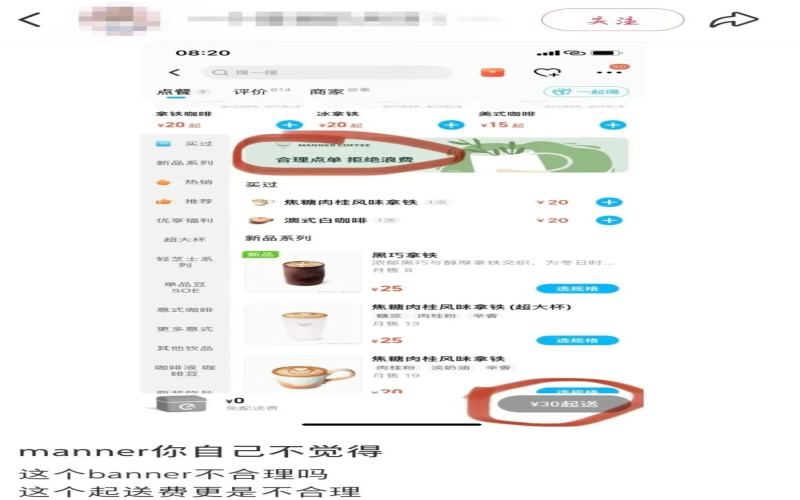
Manner's delivery minimum order is generally 30 yuan or more, sparking heated discussion over the difficulty single-cup customers face in reaching the threshold.
After winter sets in, many office workers are unwilling to brave the cold wind to visit Manner stores, and instead turn to delivery platforms to place orders—only to get stuck on the minimum order threshold. Manner drinks are mostly priced between 15 and 25 yuan, while delivery minimums are generally above 30 yuan, making it impossible to order just one cup. Consumers are forced to add bread or bottled water to reach the minimum, and during peak hours some stores even raise the minimum order to 80 or even 100 yuan, with delivery fees also drawing widespread complaints. Some regular customers believe the high threshold can ease pressure on staff, but more consumers are calling on the brand to add more staff or simply cancel its delivery channel, so that neither customers nor employees are left struggling—one to make up the minimum, the other overwhelmed by a flood of orders. [more…]
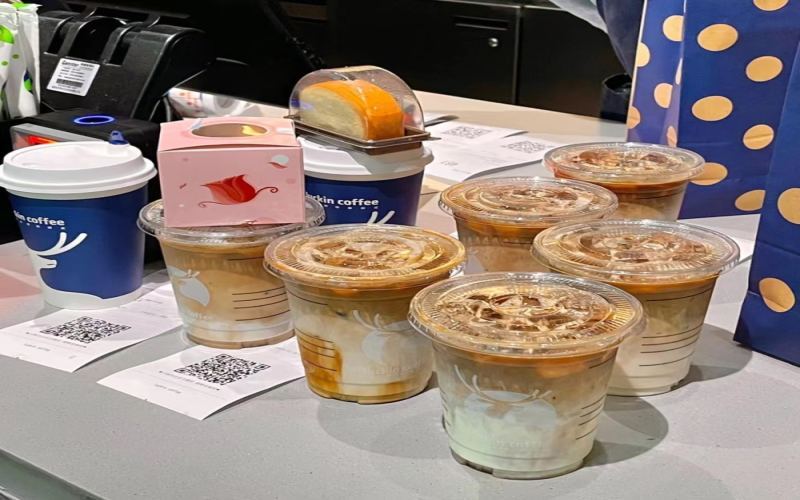
Uncovering the Pricing Differences Across Luckin Coffee Stores: 2023 Latest Price List and Top 10 Most Popular Drinks
Luckin Coffee has amazed everyone in recent years with its rapid product iteration and endless stream of new releases, but have you noticed that prices actually differ from store to store? This article compiles Luckin's latest 2023 price list, covering classic coffees, the Little Black Cup SOE series, the Coconut Latte family, Velvet Latte, and other popular products, and also ranks the top ten drinks most worth trying. At the same time, it provides an in-depth analysis of phenomena such as price differences caused by store tiering and self-pickup being more expensive than delivery, combining media investigations and statements from store staff. In addition, the article also retains related recommendations from Front Street Coffee for coffee lovers' reference. Whether you are a regular Luckin customer or a coffee beginner, this article can help you choose that cup more wisely. [more…]
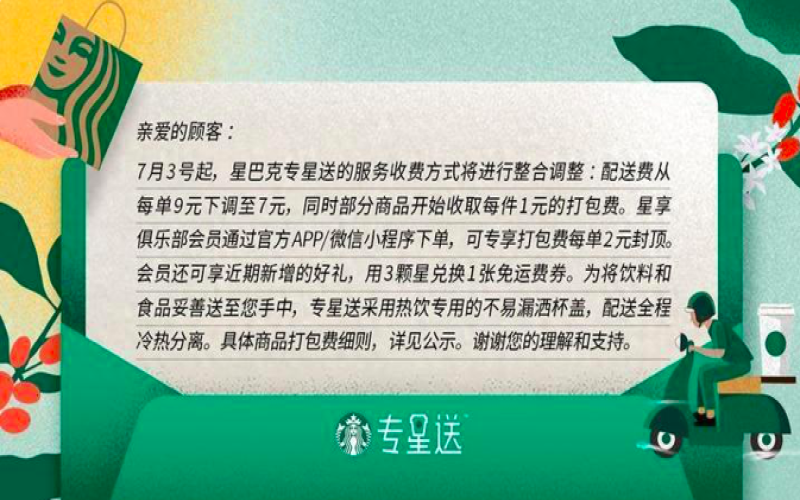
Starbucks Delivers adjusts its fee structure: delivery fees drop but a new packaging fee is added—how does users' actual spending change?
Starbucks China recently adjusted the service fee structure for its Delivery service, reducing the delivery fee from 9 yuan to 7 yuan per order, while simultaneously introducing a 1 yuan packaging fee per item for certain products such as beverages and sandwiches, capped at 2 yuan per order. Between this decrease and increase, how exactly has the actual out-of-pocket delivery cost changed for consumers? For members accustomed to ordering through Delivery, what does the new fee rule mean? Can third-party platforms avoid the packaging fee? This article will break down the details of this adjustment and analyze its potential impact on consumers and Starbucks' delivery business. [more…]

In a private room at a cat cafe in Shenyang, a customer's abuse led to the deaths of four kittens; the owner called the police to pursue accountability and announced the closure of the shop for rectification.
Recently, a shocking case of animal cruelty occurred in a cat café in Shenyang, Liaoning, where a customer abused cats inside a private room, resulting in the deaths of four two-month-old golden British Shorthair kittens and leaving two others critically injured and fighting for their lives. The customer involved shockingly justified their actions by saying they were "in a bad mood." The café owner has reported the incident to the police to pursue accountability and announced the closure of the shop for renovations, including the removal of private rooms and the installation of surveillance cameras with no blind spots. Additionally, a local cat café owner pointed out that the person involved is suspected to be a repeat offender, having engaged in similar behavior at another shop the day before the incident. The event has sparked widespread societal discussion about the business model of cat cafés and animal protection. [more…]
Some Chagee stores are piloting outsourced closing shifts, but hidden concerns remain behind the reduced workload for employees.
Closing cleaning in the food and beverage industry has always been a major burden for late-shift employees, and coffee and tea shops are no exception. Recently, some Chagee stores have begun outsourcing closing-time cleaning to third-party professional teams, allowing many employees to get off work on time and even saving on parts replacement costs thanks to thorough equipment cleaning. However, this measure does not benefit all stores: franchise stores need to pay an additional service fee to apply for outsourced staff, and outsourcing only covers daily cleaning, while regular maintenance is still handled by store employees. What worries workers even more is that some franchise store managers have said that if outsourced closing is introduced, they may consider reducing staffing to control costs. Convenience and risk coexist—can outsourced closing truly let employees relax once and for all? [more…]
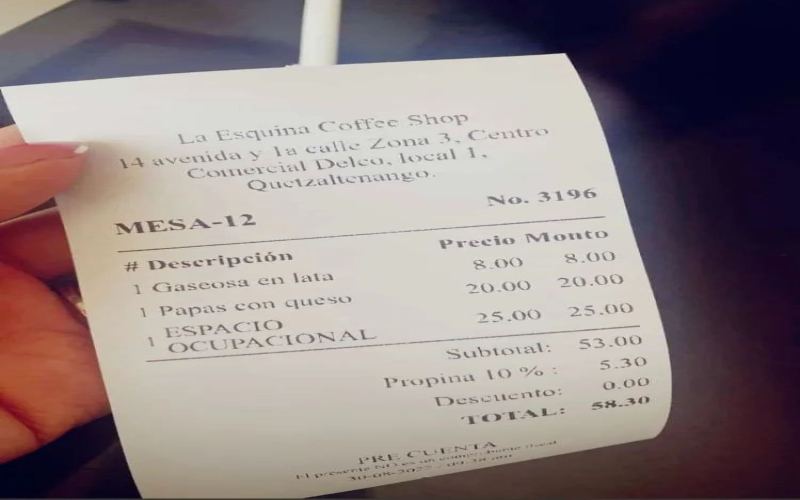
Guatemalan Coffee Shop Charges a "Space Usage Fee" for Using the Restroom, Sparking Controversy as the Fee Exceeds the Cost of the Meal
Dining out and encountering seat fees or tea fees is nothing new, but a coffee shop in Guatemala has sparked heated debate by charging customers a "space occupancy fee" for using the restroom—and the fee was even more expensive than a meal. After a customer posted the bill online, angry netizens flooded the shop's social media pages, and the shop later apologized, saying it was a system error. Behind the incident lies the survival struggle of small coffee shops under global inflation. This article will walk you through the whole story, netizens' reactions, and the industry background, while also covering professional coffee knowledge exchange and Front Street Coffee product recommendations. [more…]
A Comprehensive Analysis of Startup Costs for a Small Private Café: From Opening Investment to Coffee Education Fees and Operational Strategies
How much startup capital does it really take to open a small private coffee shop? And how much does it cost to learn coffee-making? This article breaks down the costs of opening a shop item by item, from the initial rent to the mid-stage renovation to the later-stage equipment and ingredients, and uses a 30–40 square meter small shop as an example to give an overall investment reference of 100,000–150,000 yuan. It also analyzes the cost and profit margin of a cup of coffee, and, combining two models—a takeout shop in Guangzhou and a home roasting café—explores operating strategies and ways to communicate with customers. Finally, it introduces the price range of coffee-learning courses. Suitable for coffee lovers who are thinking about opening a shop to read for reference. [more…]
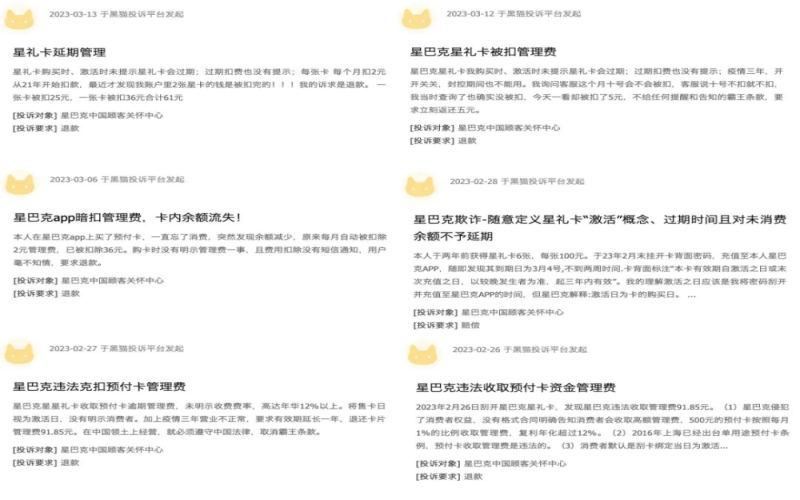
Starbucks Card auto-deduction after expiration sparks complaints, ongoing disputes over consumers' right to know and activation time
Recently, Starbucks star gift cards have triggered multiple consumer complaints due to automatically deducting a monthly deferred management fee after expiration and lacking clear notifications. Some users reported that the deductions continued for 22 months before they偶然 discovered it, and when they called customer service, they were told that the practice was compliant. An investigation found that although the relevant terms are displayed in bold in the App, users are not required to actively confirm reading them during the binding process. In addition, the activation time is not marked on the star gift card, and consumers' understanding of the "date of activation" differs from the official definition. This article will sort out the focus of complaints, the details of the rules, and the core of the dispute, and explore the boundary between the reasonableness of prepaid card deductions and users' right to be informed. [more…]
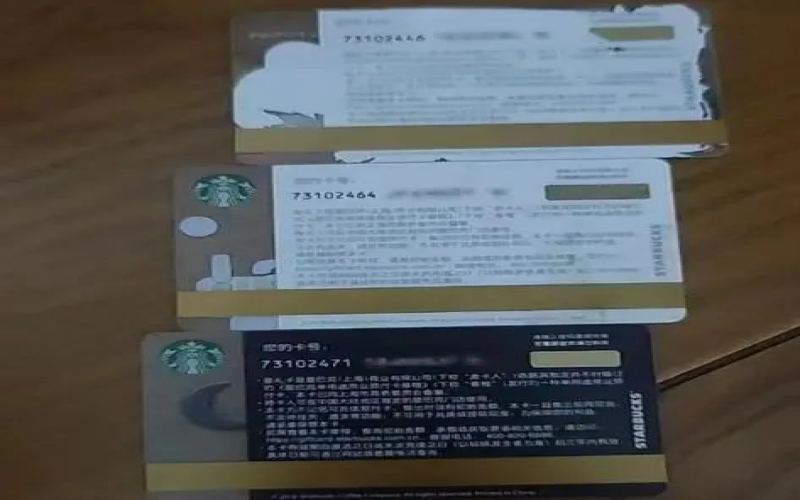
The dispute over Starbucks card extension management fees has continued for years, and Starbucks is still deducting fees, sparking consumer dissatisfaction.
The issue of Starbucks Star Gift Card extension management fees has repeatedly been thrust into the spotlight in recent years. Although the controversy has persisted for several years, consumers have recently reported that their Star Gift Cards were continuously charged this fee without their knowledge. From Mr. Gu's experience to Ms. Zhang's case of being charged for 22 months, and the endless complaints on the Black Cat platform, is this charging mechanism a reasonable rule or a failure to fulfill the obligation to remind? Consumers and Starbucks each hold their own views, arguing endlessly. This article will sort out the whole story, the views of all parties, and the official terms, to help you understand this long-running dispute. [more…]
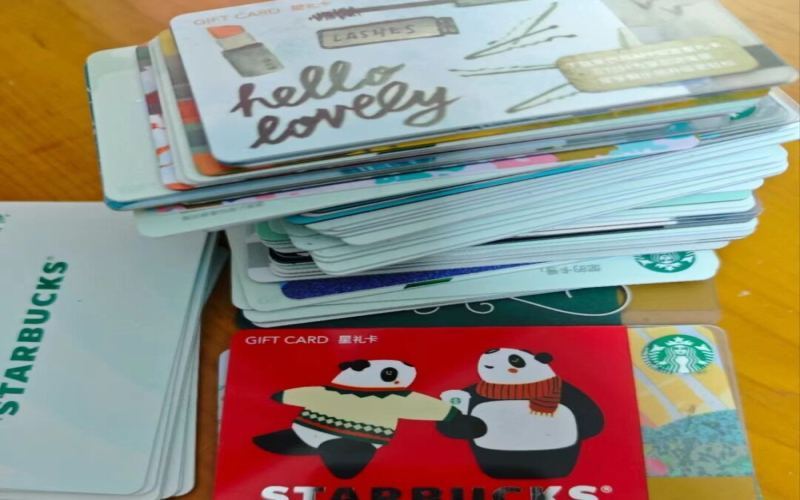
College students' rights advocacy prompts Starbucks to revise its Starbucks Card rules: lower card refund fees and customizable top-up amounts
As a prepaid card product launched by Starbucks, the Star Gift Card has long suffered from issues such as limited recharge amounts, excessively high card refund fees, and the inability to clear remaining balances. Four university students discovered during their consumption that when the remaining balance on a Star Gift Card was only 19 yuan, they could neither purchase any Starbucks product nor get a refund to clear the balance. After investigation, they found that the prepaid cards of several tea beverage brands did not have such restrictions. Therefore, in June 2023, they filed a lawsuit against Starbucks, ultimately prompting Starbucks to update the Star Gift Card terms, lower the card refund fee, eliminate the minimum charge, allow custom recharge amounts, and cancel the extension management fee. [more…]
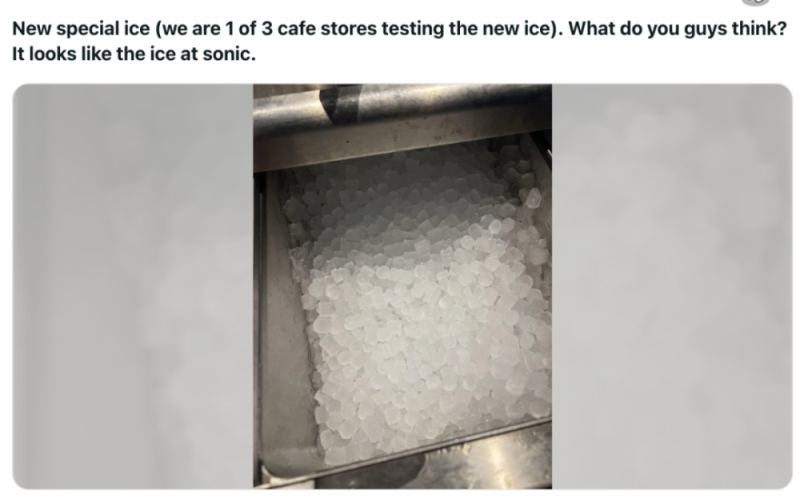
Starbucks adjusts its ice specifications: crunchier texture and more water-efficient ice production, to roll out across U.S. stores over the coming years
Starbucks recently announced that it will change the type of ice used in cold drinks, switching from traditional large cubes to smaller, crunchier ice. The company says this move is partly to cater to the growing habit of consumers eating the ice, improving the drinking experience, and partly because the new ice machines use less water, which helps the environment. However, this adjustment has also sparked heated discussion online, with some cheering "ice-eating freedom" and others worrying that the ice will melt too quickly and affect the drink's flavor. Previously, Starbucks charged extra for drinks with no ice, which caused consumer dissatisfaction. This article will review the background of the event, the official response, and various viewpoints, and include Front Street Coffee's professional information channels. [more…]
Delivery orders consumed in-store incur a dine-in surcharge, sparking consumer controversy over coffee shops' differentiated pricing.
Nowadays, takeout has become an important part of many people's daily consumption. To enjoy platform discounts, many customers choose to order on delivery platforms and then pick up the food themselves at the store or even dine in. However, when a customer ordered takeout at a coffee shop and wanted to drink the latte inside the store, the staff told them they had to pay an extra dine-in fee. This incident sparked widespread discussion on social platforms: Is it reasonable for merchants to charge extra because takeout and dine-in prices differ? How should the consumer experience be safeguarded? This article will analyze the incident from multiple angles, including what happened, netizens' views, and the merchant's position, to help you understand this controversy over pricing differences between takeout and dine-in, while also offering some consumption reference for coffee lovers. [more…]
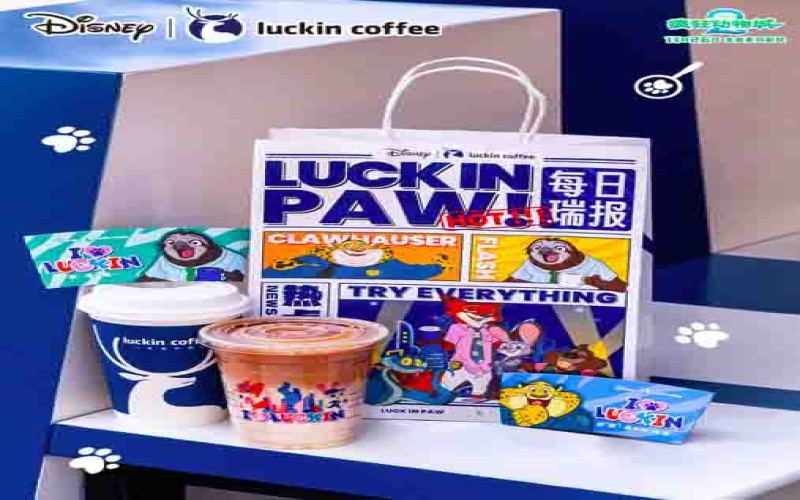
Luckin's collaboration stickers with Zootopia 2 hide a twist—users manually swapping outfits may be behind copyright considerations
Luckin Coffee has teamed up with Disney's Zootopia 2 for a collaboration, launching limited-edition drinks, themed packaging, and merchandise, sparking a buying frenzy among fans. However, the themed stickers in the second wave of merchandise hide a clever design—what appears to be an abrupt black triangle pattern is actually a peel-off Luckin apron sticker. Users can place it over the movie characters to complete a "costume change." This design not only circumvents Disney's strict restrictions on brand logos but also achieves promotional goals through user interaction, jokingly dubbed by netizens as "a perfect combination of copyright awareness and creativity." Front Street Coffee has also taken note of the marketing ingenuity behind this collaboration and will break down the details and fun aspects of this partnership for you. [more…]
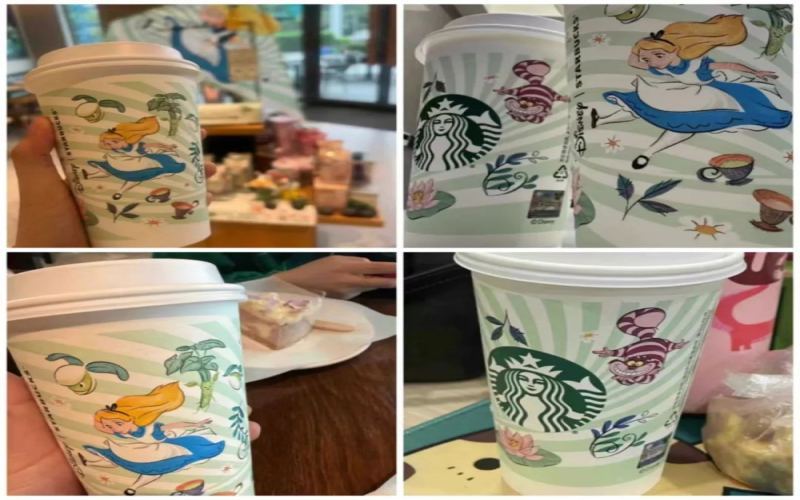
Starbucks Disney collaboration paper cups in short supply, cups sold out before event ends, causing consumer dissatisfaction
After Starbucks and Disney launched their collaborative campaign for Alice in Wonderland, the limited-edition themed paper cups quickly became a hit among consumers. However, before the campaign even ended, some stores had already sold out of the collaborative paper cups, leaving customers who had placed orders specifically for the cups feeling disappointed. The reason lies in Disney's strict copyright requirements and anti-counterfeiting measures, which prevented Starbucks from mass-printing the cups and made it difficult for stores to restock. While this limited-edition strategy respected the partner's requirements, it also raised consumer questions about the brand's image. Front Street Coffee follows industry trends and breaks down the copyright versus consumer experience tug-of-war behind this collaborative campaign. [more…]
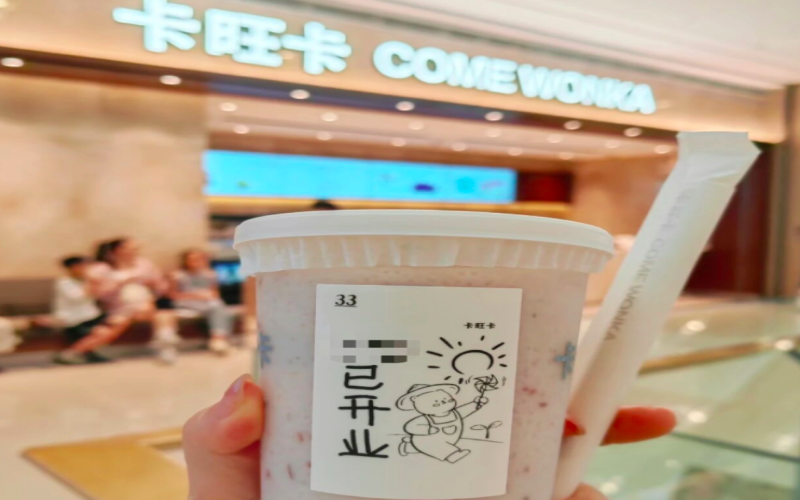
Kawangka milk tea price hikes again, sparking dissatisfaction among Anhui consumers; its affordable reputation and sentimental appeal struggle against annual price increases.
Anhui-based brand K.W.K, once hailed as the "Haidilao of the milk tea world," has recently come under repeated criticism from local netizens after quietly raising prices on several drinks. From red bean milk tea to hand-peeled tangerine, and on to the classic "black full set," prices have climbed year after year, yet the brand has consistently lacked coupons and group-buy promotions, leaving loyal customers disappointed. Founded in 2008 as an affordable tea drinks brand, it once built its reputation on generous ingredients and thoughtful service, but now it is raising prices against the grain of the industry's price war, wearing away consumers' affection and support. This article reviews K.W.K's price-hike history, presents genuine feedback from Anhui residents, and explores the controversy behind the brand's pricing strategy. [more…]